Clothing and materials
How to choose company clothing for employees - complete guide
How to choose company clothing with logo? Fashion, material, fabric weight, sizes, marking technique and budget - a practical guide for companies.
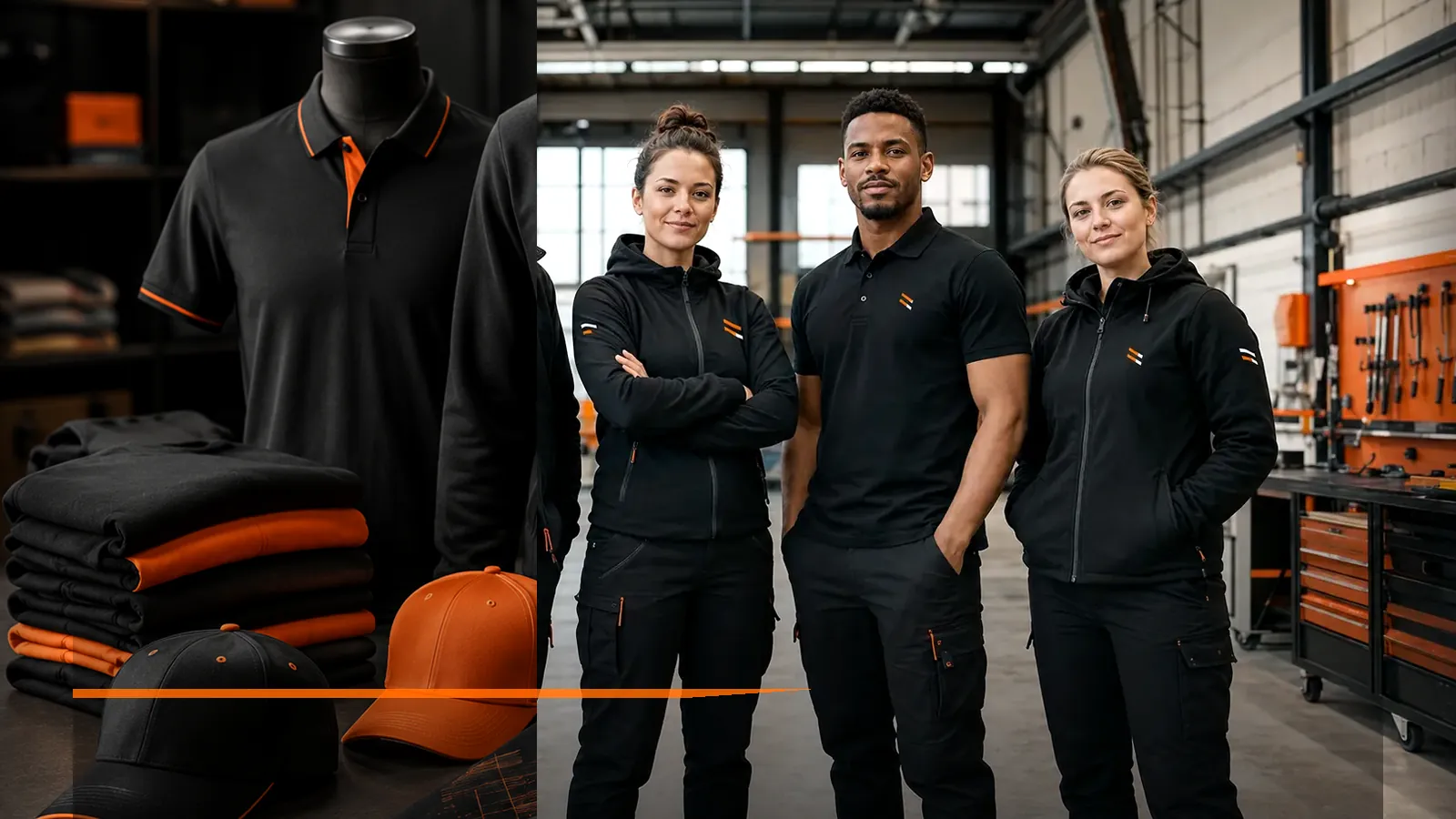
Good company clothing should look consistent, but above all it must match the real work of the team. Another set will work in the office, another in the warehouse, and another in the field. The best effect is to treat clothing as a system, not a single shirt.
What options should we consider?
- T-shirts and polo for warmer months
- hoodies and polarities as an intermediate layer
- jackets and softshelle for outdoor work
- Workwear for tasks requiring greater resistance
- hats and accessories as a complementary element
There is no single product perfect for all. It is worth adjusting to the working conditions, season, expected appearance and how often it will be washed.
Selection criteria
- The nature of the work
- frequency of use
- seasonality
- colour consistency of the brand
- size availability
- the possibility of subsequent approximation
- budget and expected quality level
Best decisions arise when these criteria are considered together. The composition of the material or the fabric weight itself is not enough if the product has an inappropriate cut or is difficult to access at later ancestorings.
How do I fit the marking technique?
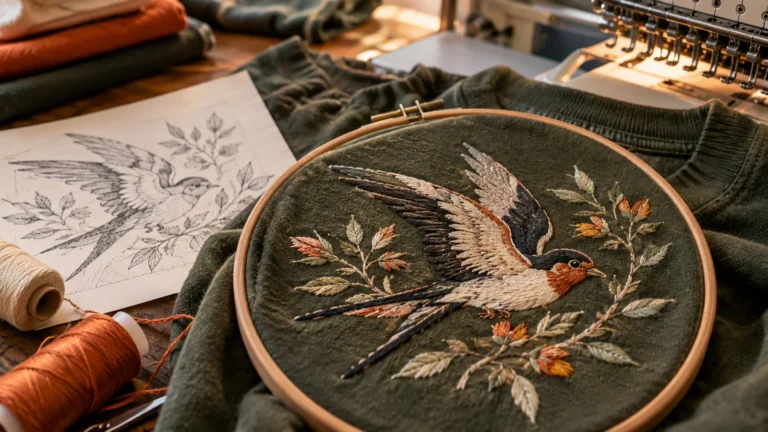
- embroidery fits well with polo, fleece, jacket and representative logo
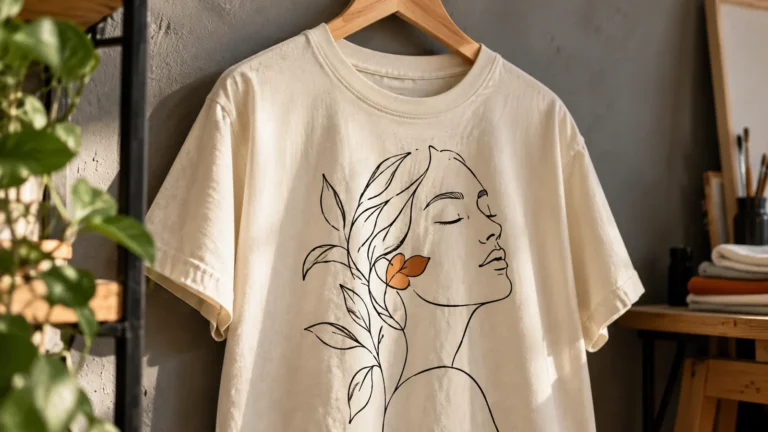
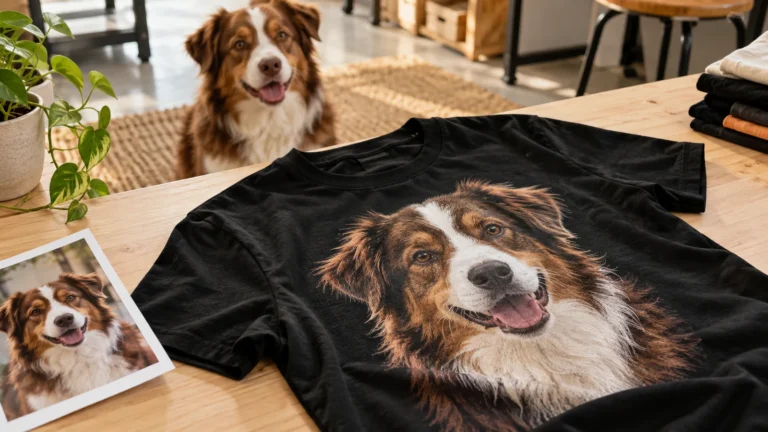
- DTF gives flexibility on T-shirts and shirts with colorful graphics
- Flex works with simple subtitles and markings
- screen printing makes sense with larger series of identical T-shirts
The technique should support the function of the product. In one collection, several methods can be used and still maintain a consistent appearance of the brand.
Most common errors in product selection
- selection of one model without taking into account different positions
- no size and fitting table
- buying a product that can't be housed later
- too many colors of clothing in one company
- placing the logo without checking the functional elements of the product
With a larger order, a sample or fitting often costs much less than a later replacement of the wrongly selected series.
Examples of applications
- office syndrome: polo + sweatshirt or light jacket
- Technical crew: T-shirt + fleece + working jacket
- Event service: consistent T-shirts and sweatshirts in one color
- service company: small logo on the breast and larger marking on the back
Consider these examples as a starting point. The final choice depends on a particular model, design and performance requirements.
How to assess quality before a larger order?
With a larger series, it is not worth to evaluate quality only on the basis of the product photo or technology name. The specific clothing model, material quality, file preparation and process repetition are important. If the order is either visually valid or intensively used, a sample, marking test or at least an accurate visualisation on the target product is a good solution.
It is also worth checking whether the contractor can explain the limitations of the chosen method. A reliable recommendation is not a promise that any graphics can be done identically on any material. Sometimes the best decision is to simplify the design, change the marking site or use two different techniques in one set of clothing.
How do you compare offers to compare the same?
Two offers can look similar and apply to completely different products. Before comparison check the manufacturer and model of clothing, weight or composition of material, the actual dimension of marking, the number of places, technique, the range of file preparation and whether the price includes personalization and additional work. Only such a set of data makes it possible to fairly assess the difference in price.
It is also worth asking about the possibility of subsequent homage. The cheapest model that disappears from the offer after a few months may make it difficult to maintain a coherent appearance of the team. With fixed company clothing, availability and repeatability of the product are often just as important as the price of the first order.
When is it worth a test or marking test?
The sample is particularly useful for unusual material, new clothing model, large circulation, complicated graphics or a situation where color and impression of printing are of great importance. It allows you to evaluate not only the character itself, but also its proportions, position and behavior of the entire product after the assumption.
Not every order requires a full production sample. With a simple, proven design, it is often enough to visualize and approve dimensions. The greater the financial or image risk, the more it pays to take time to check the solution first.
What is worth saving for the next home?
After successful implementation, it is worth keeping the name of the manufacturer and model of clothing, color, size, source file logo, technique, exact size and place of marking. Such specification shortens the subsequent order and reduces the risk that the new batch will look different from the previous one.
With companies, schools, clubs and organizations, a simple standard of order works well. One approved table of models and logo places makes it possible to match new people without redesigning everything from the beginning. It is especially important when orders are executed several times a year.
How do I translate this information into a real order?
It is best to prepare a short specification: type of product, number of pieces, size, date, place of marking and file. If you do not know the technique, do not guess - a description of the application and expected effect will usually suffice to compare the available possibilities.
With a larger series, it is also worth looking at the possibility of later homes. A coherent clothing model, a saved logo dimension and one accepted source file make it easier to maintain a similar effect in subsequent batches.
What should I prepare before valuation?
- indicative number of pieces and sizes
- information on the type of clothing or its use
- logo or best available graphic file
- place and approximate size of marking
- date for which clothing is to be needed
- information about personalization if each piece is to differ
Such a set of data does not yet mean order, but allows you to prepare a concrete and comparable proposal instead of guessing costs.
THE MOST COMMON QUESTIONS
FAQ
How many sets of clothes should I order for an employee?
Depends on the frequency of use and washing. In everyday work, one set is not usually enough.
Is it worth choosing one model for a few years?
Yes, if the manufacturer ensures stable availability. This facilitates subsequent homage.
How do I get the size of my employees?
It is best to share a table of sizes and prepare a diagram for the fitting with a larger team.
Do all elements have to have the same marking?
No. You can maintain the consistency of the logo, but choose different techniques for shirts, fleece and jacket.
Does more expensive clothing always pay off?
Not always, but with the frequent use of better material and stable size can reduce the cost of exchange over time.
DO YOU HAVE A SPECIFIC PROJECT?
You don't have to choose your own technology. Send the data, and we'll figure out a reasonable solution.
READ MORE